How Much Down Payment Do You Really Need?
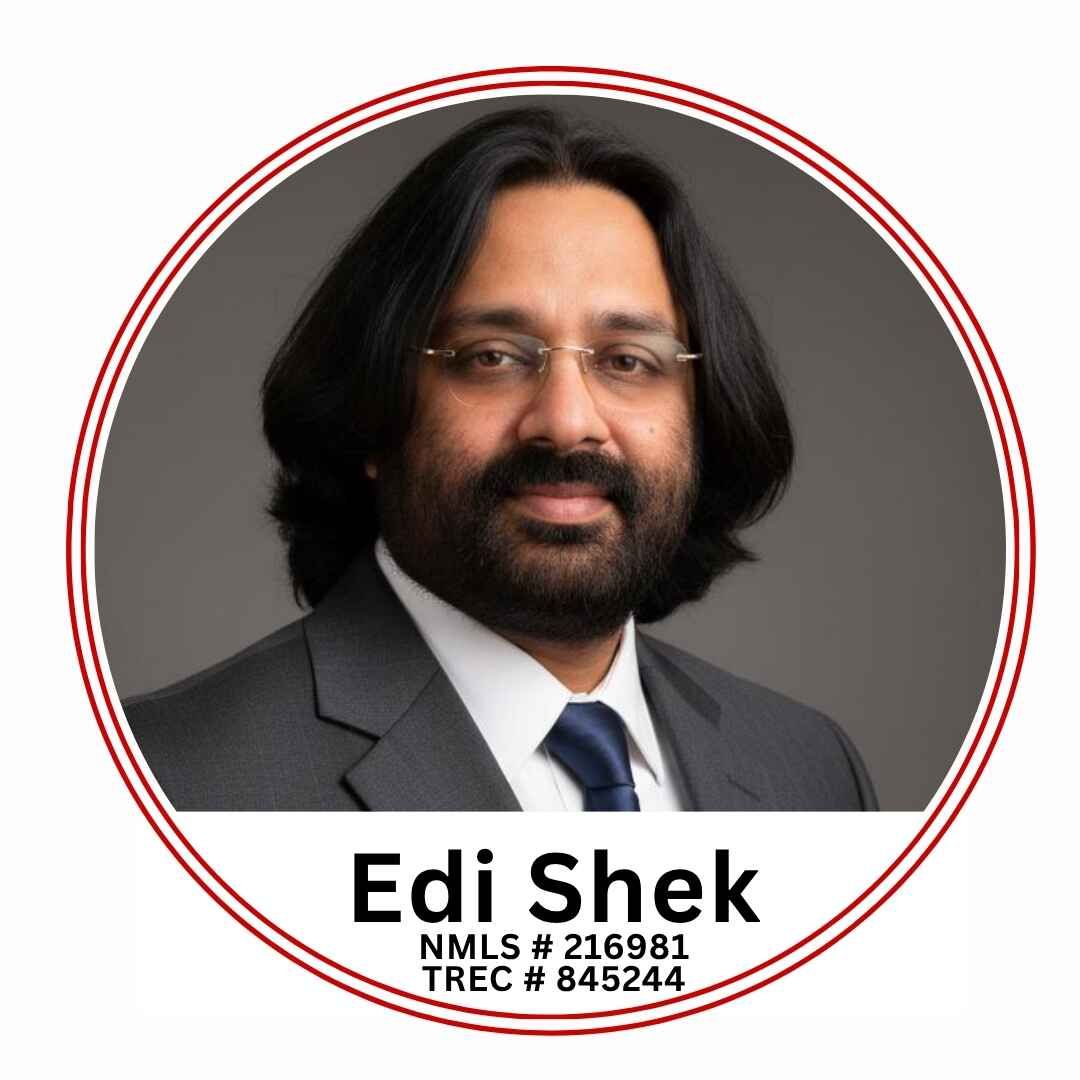 By Edi Shek
Learn what down payment is required for different loan types, how credit and assistance programs affect it, and tips to save faster.
Are you wondering how much cash you need to save before you can call a house your own? This guide is for first-time homebuyers, homeowners looking to move up, and real‑estate agents who want to explain down‑payment basics to clients across the 14 states where Edi Shek is licensed.
Quick Answer
The down payment you need depends on the loan type, your credit, and the home’s price. Conventional loans often ask for 5%‑20% of the price, while FHA, VA, and USDA loans can require as little as 3.5% or zero down. Your lender calculates the exact amount using loan‑to‑value limits and any required private mortgage insurance (PMI).
What is a down payment and why does it matter?
A down payment is the cash you pay upfront toward the purchase price of a home, reducing the amount you need to borrow. It shows lenders you have skin in the game and lowers their risk. A larger down payment can lead to better loan terms, lower monthly payments, and may help you avoid extra costs like private mortgage insurance.
How do loan types change the down‑payment requirement?
Different loan programs set their own minimum down‑payment percentages. Conventional loans, which are not backed by the government, usually require at least 5% for qualified buyers and may ask for 20% to avoid PMI. Government‑backed loans often have lower thresholds to help more people achieve homeownership.
| Option | Best for | Key trade‑off |
|---|---|---|
| Conventional (5%‑20%) | Buyers with strong credit and stable income | May need PMI if under 20% down |
| FHA (3.5%) | Buyers with lower credit or limited savings | Requires upfront and annual mortgage insurance premiums |
| VA (0%) | Eligible veterans, active‑duty service members, and surviving spouses | No down payment but includes a funding fee |
| USDA (0%) | Buyers in eligible rural areas with moderate income | Property must meet location and income limits |
What is private mortgage insurance (PMI) and when is it needed?
Private mortgage insurance (PMI) protects the lender if you stop making payments and the home goes into foreclosure. It is typically required on conventional loans when your down payment is less than 20% of the home’s price. PMI adds a monthly cost to your mortgage payment until you reach enough equity, usually when your loan‑to‑value ratio falls below 80%.
How can you save for a down payment faster?
Start by setting a clear savings goal based on the price range you’re targeting and the loan type you plan to use. Automate transfers to a dedicated savings account each payday to build the fund consistently. Consider cutting discretionary expenses, redirecting bonuses or tax refunds, and exploring side‑gig income to boost your savings rate.
Are there down‑payment assistance programs you should know about?
Many states, cities, and nonprofit organizations offer grants or low‑interest loans that help cover part or all of the down payment. These programs often target first‑time buyers, teachers, healthcare workers, or residents of revitalization areas. Eligibility usually depends on income limits, purchase price caps, and completion of a homebuyer education course.
How does your credit score affect the down payment you need?
A higher credit score signals lower risk to lenders, which can qualify you for conventional loans with smaller down‑payment requirements and better interest rates. If your score is lower, lenders may ask for a larger down payment or steer you toward government‑backed options like FHA that have more flexible credit criteria but may include additional insurance costs.
Common Problems and How to Fix Them
Problem: Not knowing the true minimum down payment for your chosen loan type
Fix: Ask your lender for a written loan estimate that lists the required down payment, closing costs, and any mortgage insurance. Compare estimates from at least two lenders to ensure you have accurate numbers.
Problem: Underestimating closing costs and thinking the down payment is the only upfront expense
Fix: Budget for closing costs typically ranging from 2% to 5% of the loan amount. Include items like appraisal fees, title insurance, and escrow deposits in your savings plan so you’re not surprised at closing.
Problem: Delaying home purchase while saving for a 20% down payment to avoid PMI
Fix: Evaluate whether paying PMI for a shorter period allows you to buy sooner and build equity, which may be financially advantageous compared to waiting years to save a larger sum.
Key Takeaways
- Down payment requirements vary by loan type, credit, and home price.
- Conventional loans often need 5%‑20%; FHA, VA, USDA can go as low as 3.5% or zero.
- Private mortgage insurance (PMI) is required when down payment is under 20% on conventional loans.
- Assistance programs can reduce or eliminate the down‑payment burden for eligible buyers.
- A stronger credit score can lower both the down payment needed and the interest rate.
- Always budget for closing costs in addition to the down payment.
Frequently Asked Questions
What is the lowest down payment I can make on a house?
The lowest down payment depends on the loan program: VA and USDA loans may allow zero down for eligible borrowers, while FHA loans permit as little as 3.5% for qualified buyers. Conventional loans generally start at 5% but can go lower with lender‑paid mortgage insurance, though this is less common.
Do I have to pay private mortgage insurance forever?
No. PMI on conventional loans can be canceled once you reach 20% equity based on the original purchase price or appraised value, whichever is lower. You must request cancellation and provide proof of equity; the lender may also automatically terminate PMI when your loan‑to‑value ratio hits 78%.
Can I use gift money for my down payment?
Yes. Most loan programs allow gift funds from a family member, domestic partner, or approved organization to cover part or all of the down payment. You’ll need a gift letter stating the money is a true gift with no expectation of repayment, and the source of the funds must be documented.
How does my debt‑to‑income ratio affect down payment requirements?
Lenders evaluate your debt‑to‑income (DTI) ratio to ensure you can manage monthly mortgage payments alongside existing debts. A high DTI may lead lenders to ask for a larger down payment or a loan with stricter terms, while a low DTI can help you qualify for standard down‑payment percentages.
Are there penalties for paying a larger down payment than required?
No. Paying more than the minimum down payment reduces your loan amount, which lowers interest costs over time and may eliminate the need for mortgage insurance. There are no prepayment penalties for contributing extra cash toward the down payment on a standard mortgage.
Should I wait to buy until I can afford a 20% down payment?
Not necessarily. Buying sooner with a smaller down payment lets you start building equity and benefit from home price appreciation. Compare the cost of PMI or mortgage insurance premiums against the potential savings of waiting; in many markets, buying earlier with a modest down payment can be financially advantageous.
Talk to Edi
Ready to explore your down‑payment options and get a personalized plan? Reach out to Edi Shek, licensed in 14 states, for a consultation that fits your goals and budget.